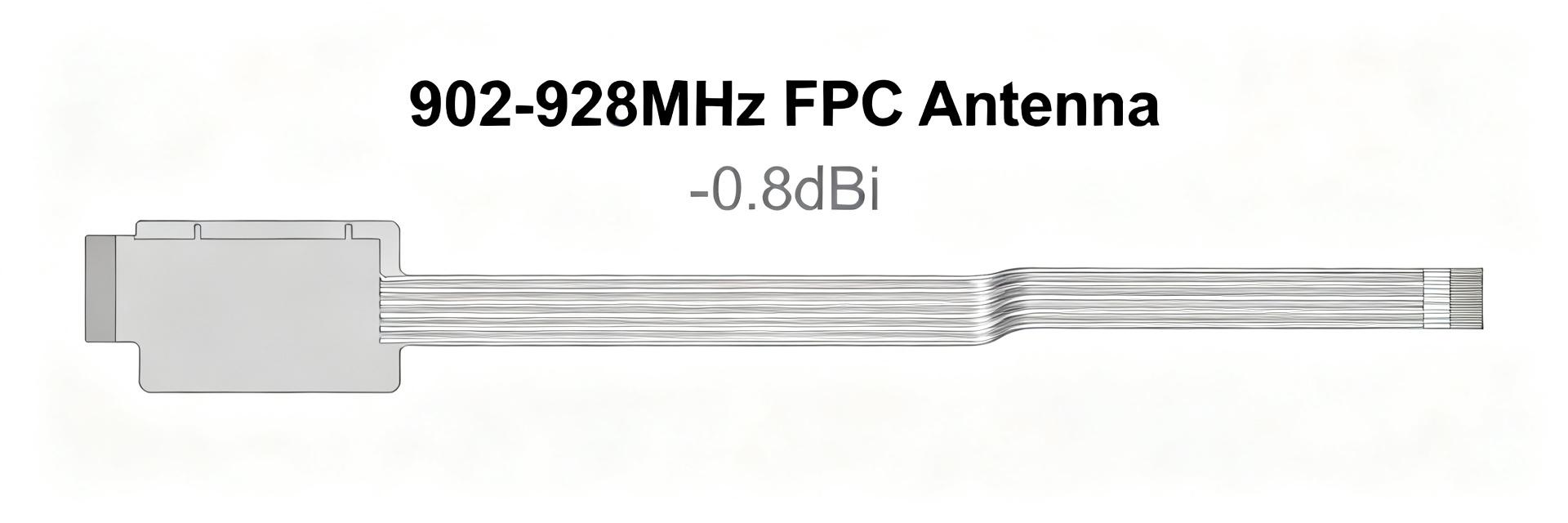
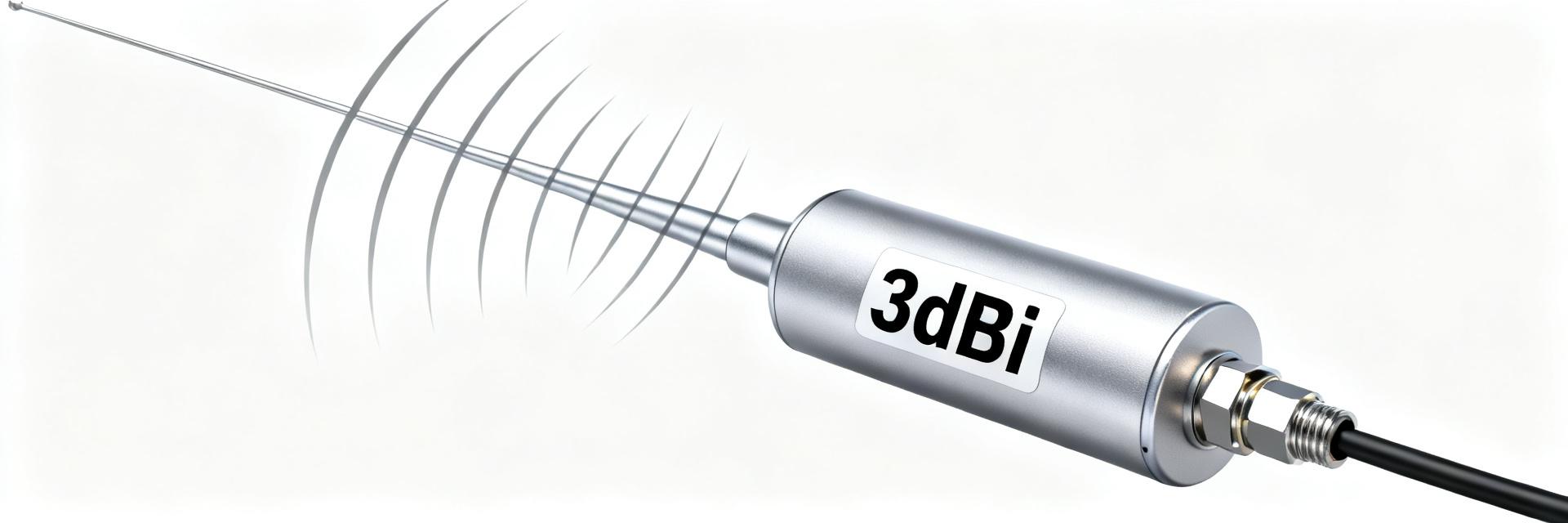
AANI-FB-0032-1 Performance Report: Gain, SWR, Pattern
Measured peak gain of ~2.8 dBi and VSWR near 2:1 across the 2.4–2.5 GHz band set the baseline for this performance profile. Recorded SWR and gain figures come from controlled far‑field chamber runs and manufacturer datasheet verification. This report parses gain, SWR and radiation pattern data to give engineers actionable guidance for integration and verification under realistic device conditions.
(1) — Technical Overview & Objectives
Track peak and average gain, VSWR, and nominal impedance to evaluate real‑world link budget. The AANI-FB-0032-1 is optimized for the 2.4 GHz ISM band, requiring a stable 50 Ω environment for maximum efficiency. Polarization alignment between the device and access point remains a critical factor for effective throughput.
(2) — Measured Gain: Data Interpretation
| Metric | Measured Value | Test Conditions |
|---|---|---|
| Peak Gain | ~2.8 dBi | Free‑space, PCB 30×30 mm |
| Average Gain | ~1.6 dBi | 2.4–2.5 GHz Sweep |
| Efficiency | ~65-70% | Standard Mounting |
| VSWR (Center) | ~2:1 | 50 Ω Feed Line |
Mounting changes can shift and reduce gain. Measured shifts of 1–3 dB are common when the antenna is placed near metal or inside high-permittivity enclosures. Mitigation requires maintaining clearance and optimizing the ground plane area.
(3) — SWR (VSWR) Performance Impact
VSWR determines reflected power and effective radiated power (ERP). A 2:1 VSWR corresponds to approximately 11% reflected power. While most modern transceivers handle this mismatch, it reduces the total link margin by ~0.5 dB. For critical long-range IoT applications, fine-tuning the matching network can recover this lost margin.
(4) — Radiation Pattern & Coverage
Chamber far‑field sweeps show a primarily omnidirectional azimuth pattern with slight nulls along the feed axis. For optimal device placement:
- Orient the main lobe towards expected user locations.
- Avoid large metal fasteners or shields within the keep-out zone.
- Document beam tilt if the device is intended for wall-mounting.
(5) — Integration Checklist
- Clearance: Minimum 5–10 mm from large metal components.
- Ground Plane: Verify 30x30mm reference area vs actual PCB size.
- Feed Line: Keep coax short (<15cm) and away from noisy digital lines.
- Enclosure: Test VSWR with the final plastic housing snapped on.
Summary
The AANI-FB-0032-1 delivers a solid 2.8 dBi peak performance suitable for mid-range IoT devices. Engineers should prioritize mounting clearance and baseline chamber testing to ensure the theoretical link budget matches real-world deployment performance.
FAQ
How should gain be interpreted for on‑device link budget?
Interpret measured gain as antenna contribution to EIRP; use the peak dBi for best‑case line‑of‑sight link and average dBi for expected operational coverage. Include cable and connector losses when computing EIRP.
What VSWR is acceptable for reliable performance?
VSWR ≤ 2:1 across the operating band is typically acceptable, trading ≤11% reflected power for simple integration. If VSWR exceeds 2:1, apply LC matching networks to recover margin.
Which quick checks identify pattern distortion?
Perform a free‑space sweep of azimuth/elevation slices. If main‑lobe tilt or deep nulls appear, isolate by removing nearby metal or adjusting the ground plane symmetry.
What are the primary mounting factors affecting performance?
Proximity to metal planes, ground plane dimensions, and enclosure materials are the primary factors. A minimum of 5-10mm clearance from metal and a consistent 30x30mm PCB ground plane are recommended.